

HARVEST 2026: A SNAPSHOT OF A YEAR OF MEXICAN COFFEE

Coffees from the new harvest are starting to reach the UK and Europe. This season is the result of a year of hard work, thoughtful planning, and collaboration across every stage of our supply chain.
During the season, the producers we work with faced a range of challenges related to weather conditions, labour availability, processing and drying practices, and logistics.
While each region experienced its own unique conditions, the harvest led to one conclusion shared across all coffee-growing areas: producing specialty coffee requires an ever-greater ability to adapt to the environmental, social, and operational changes that affect the production cycle.

A Year Shaped by the Weather
Once again, weather played a defining role in this harvest. Periods of intense heat, drought, irregular rainfall, and high humidity affected production across many regions, making it harder to predict yields and disrupting the natural rhythm of the crop.
In Oaxaca, some coffee trees flowered earlier than usual, overlapping with the harvest season. As pickers moved through the fields, some of these flowers were knocked off before they could develop into cherries. The unusual flowering pattern also contributed to less uniform ripening, making harvest management more challenging.

We also saw a notable presence of quakers in several regions. These beans often go unnoticed during harvesting and processing, only revealing themselves during roasting when they take on a noticeably different colour.
Adding to these challenges were leaf rust, the coffee berry borer, and anthracnose. In some communities, producers chose to begin harvesting earlier than planned in order to save as much of the crop as possible. What stood out most was seeing these pests and diseases appear at higher elevations, where they have traditionally been much less common.
Despite these challenges, one of the greatest strengths of our network lies in the way coffee is grown. Many producers cultivate their farms under shade, using diverse agroforestry systems and traditional polycultures. These landscapes do more than produce coffee: they support biodiversity, maintain healthy vegetation cover, and provide families with additional crops and sources of income. As weather patterns become less predictable, these farming systems can help build resilience, giving coffee producers more tools to adapt to the changing conditions around them.
Bringing Coffee Labs Closer to the Source
This year, we set up two mobile laboratories in Oaxaca and Chiapas, expanding the reach of our central lab in Coatepec, Veracruz. These labs allowed us to carry out both physical and sensory analysis closer to the communities where coffee is grown, reducing the challenges that long distances often pose for producers.
Between January and July of this harvest season, we cupped nearly 2,650 samples from five states. On average, this meant 376 evaluations per month, or about 12 cuppings per day, though some periods were busier than others.

We also established satellite warehouses in Chiapas, Guerrero, Michoacán, Oaxaca, and Veracruz to ensure that coffee could be collected and stored under proper conditions. In more remote communities, we worked closely with producer families, many of whom opened up their own farms to serve as local collection and support points.
Who is behind this harvest?
The coffees that are making their way into roasteries and cafes began their journey in rural communities across Mexico. These are places where everyday challenges, from limited infrastructure to difficult access, are part of daily life. Reaching these communities often requires navigating complex logistical and operational conditions, but years of working closely in these regions have helped us build the knowledge and relationships needed to overcome them.
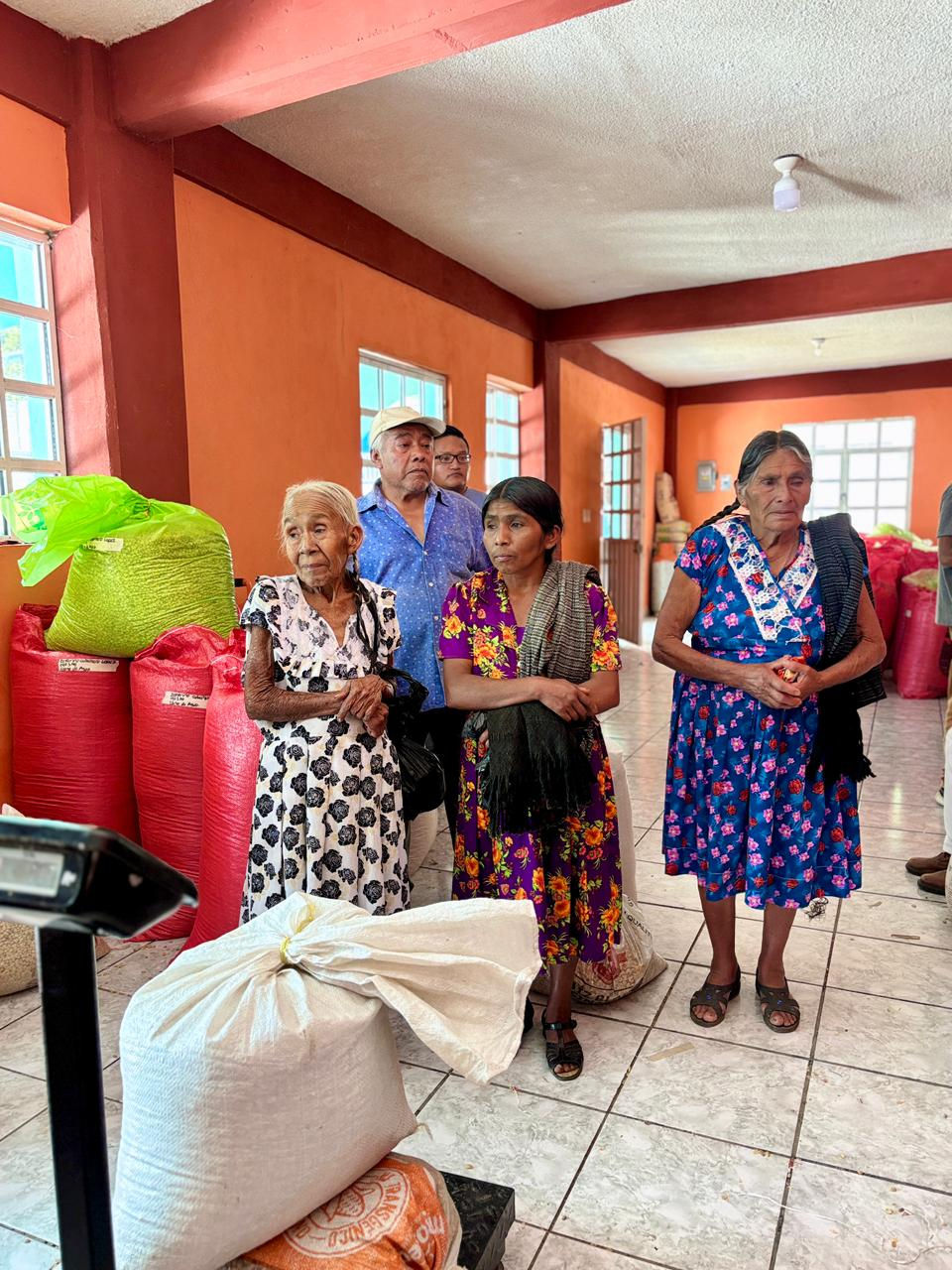
What makes this harvest possible, above all, are the people behind it. This year, we worked alongside 1,309 coffee producers, including 591 women, who represent 45% of our network. Many are members of Indigenous communities across five different states, bringing deep knowledge, tradition, and care to their work.

As part of Ensambles’ model, producers received training and ongoing support throughout the year. By shortening the supply chain and building long-term relationships, we aim to ensure that more value returns to the people whose dedication makes these coffees possible.
We also remain committed to coffees grown using organic and regenerative practices, as well as principles of biodynamic agriculture. This commitment reflects our broader approach to supporting the territories where we work, caring for local ecosystems, and offering coffees that are cultivated with respect for both people and the environment.
Many of these lots are grown by Indigenous communities that have maintained a close connection to their land for generations, helping to care for and preserve the landscapes where coffee is grown.

What We Found in the Cup
This harvest introduced new flavour profiles, coffees from lesser-known regions, and a range of new processes, including natural lots and experimental fermentations developed by producer communities that are exploring new ways to add value and express the character of their coffees. These offerings reflect the collaborative work of our team and our sister organization, the Instituto Bios Terra.
We hope you enjoy these new coffees and that, with every cup, you get a sense of the people, communities, and landscapes behind them. Their care and hard work are what make these coffees possible.


Comments